

A biotechnological revolution led by Wake Forest promises to forever change diabetes treatment. Say goodbye to daily insulin injections: the future may lie in tiny 3D-printed implants placed just under the skin.
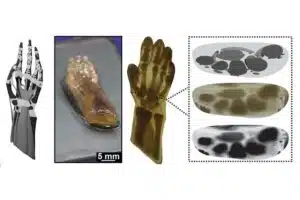
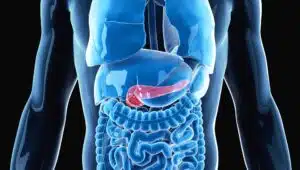
At the heart of Wake Forest University, a team of scientists has achieved a historic milestone: 3D printing human islets of Langerhans-the tiny pancreatic structures responsible for insulin production. What was once only theoretical has become reality thanks to an innovative bioink made from decellularized pancreatic tissue and marine algae.
The result? Tiny, functional organoids that respond to glucose and survive for over three weeks. But the real breakthrough is that these micro-pancreases can be implanted under the skin with just local anesthesia, avoiding the invasive surgery typical of traditional transplants.
The key to success lies in the porosity of the printed material, which promotes oxygenation and spontaneous vascularization, making the implant “alive” and perfectly integrable. Initial results, presented in London at the European Society for Organ Transplantation conference, show a 90% cell survival rate.
Other groups, like Adam Feinberg’s team at Carnegie Mellon, have confirmed the method’s effectiveness. His technology enabled diabetic mice to maintain normal blood sugar levels for six months with a single implant.
Progress is also being made in Italy: the San Raffaele team, led by Lorenzo Piemonti, has achieved insulin independence in 10 out of 12 patients using stem cells that can be produced on a large scale, overcoming the donor scarcity problem.
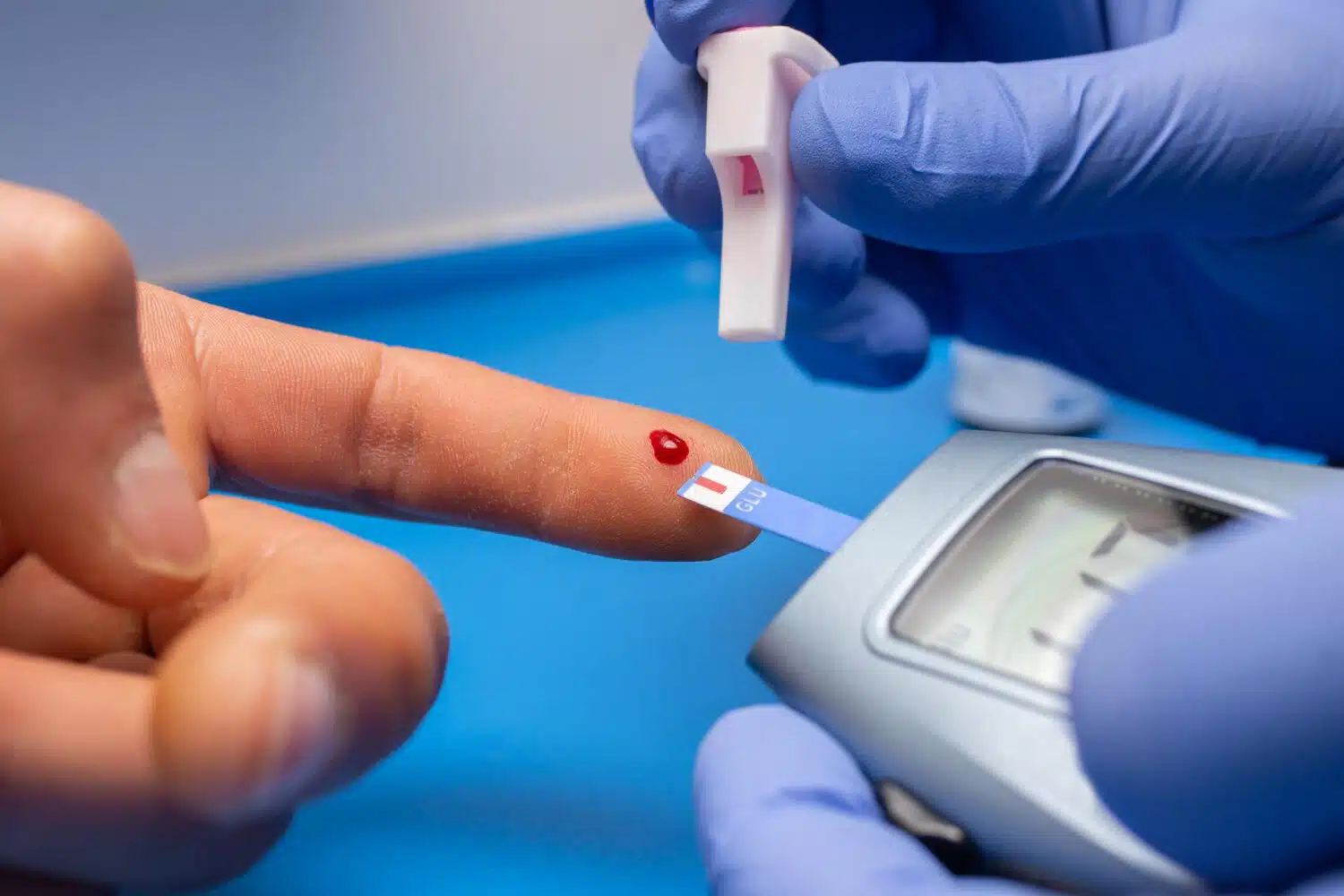
The future of diabetes therapy won’t involve needles but bioengineering, 3D printing, and regenerative medicine. A medicine that doesn’t just manage but aims to repair. The end of type 1 diabetes as we know it could be just a matter of years.