

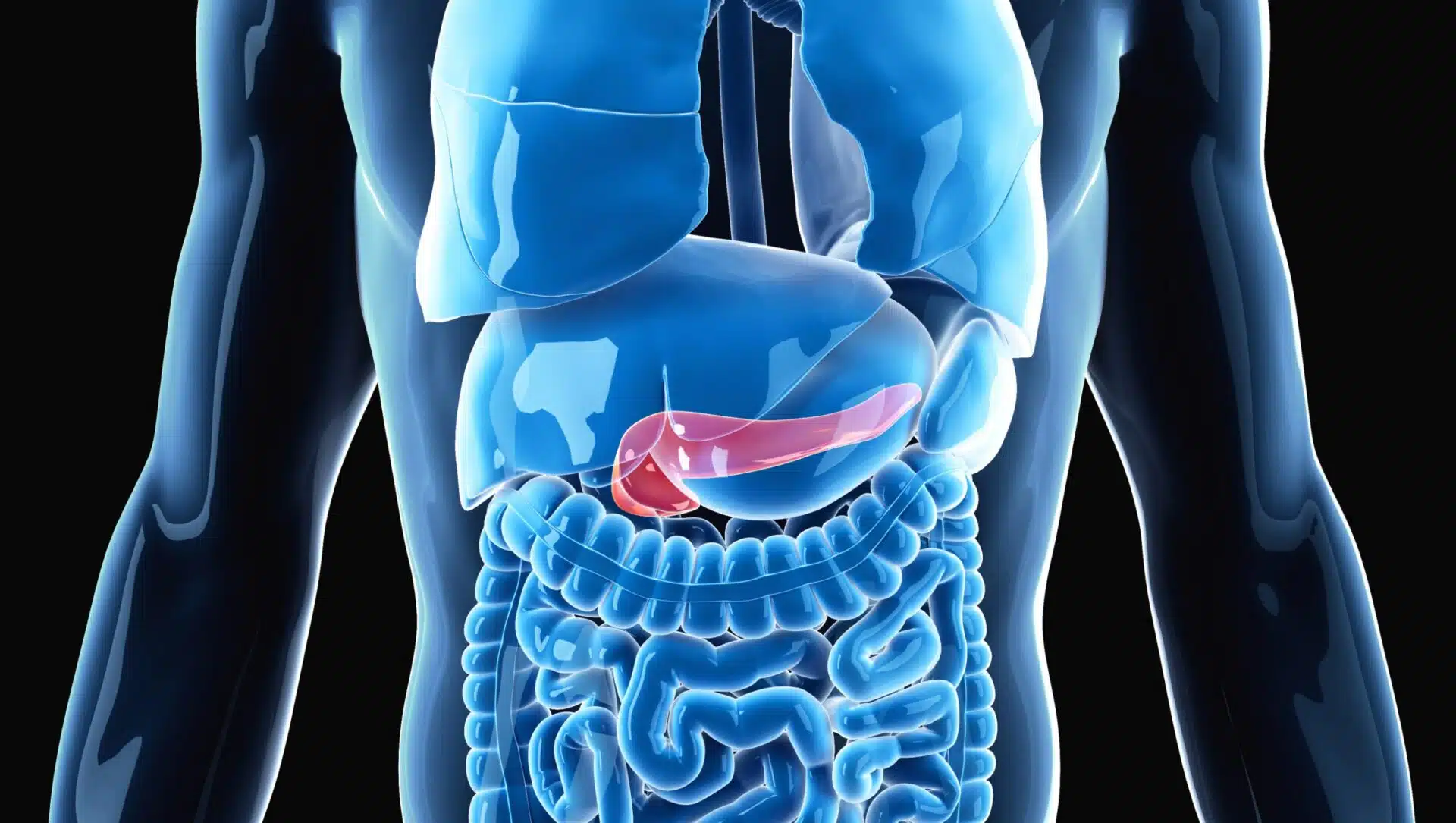
A team of researchers has taken a significant leap forward in the fight against type 1 diabetes, unveiling a cutting-edge 3D printing technology capable of producing functional pancreatic islets. Also known as the islets of Langerhans, these tiny structures play a crucial role in producing hormones like insulin, which regulate blood glucose levels.
In type 1 diabetes, the immune system attacks the beta cells within these islets, halting natural insulin production. Patients currently rely on daily injections to survive. This new approach, however, promises to revolutionize treatment options.
The breakthrough hinges on an innovative bioink made from alginate combined with decellularized human pancreatic tissue. This unique blend allows for the printing of extremely delicate 3D structures without compromising their function. Printing occurs under very low pressure (30 kPa) and at a slow speed (0.33 mm/s), ensuring a remarkable 90% survival rate of the islets during the process.
Unlike traditional pancreatic islet transplants-which require complex surgical procedures to implant the cells into the liver-these 3D-printed islets can be implanted simply under the skin. Early tests have shown that these printed islets release insulin in response to glucose levels, sometimes even exceeding expectations.
Challenges remain, particularly in sourcing sufficient human pancreatic tissue, which is currently scarce. To overcome this, researchers are investigating alternative sources such as animal tissues to scale up the therapy.
While this technology isn’t yet a definitive cure, it marks a turning point in personalized diabetes treatment and paves the way for future clinical trials in animal models. 3D printing may well transform the future of regenerative medicine.